
On an international team, an invitation to speak can carry different expectations. One colleague may see an open discussion as the right place to challenge a proposal, while another may prefer to raise concerns privately. A leader needs to establish how contributions will be heard and how the team will reach a decision.
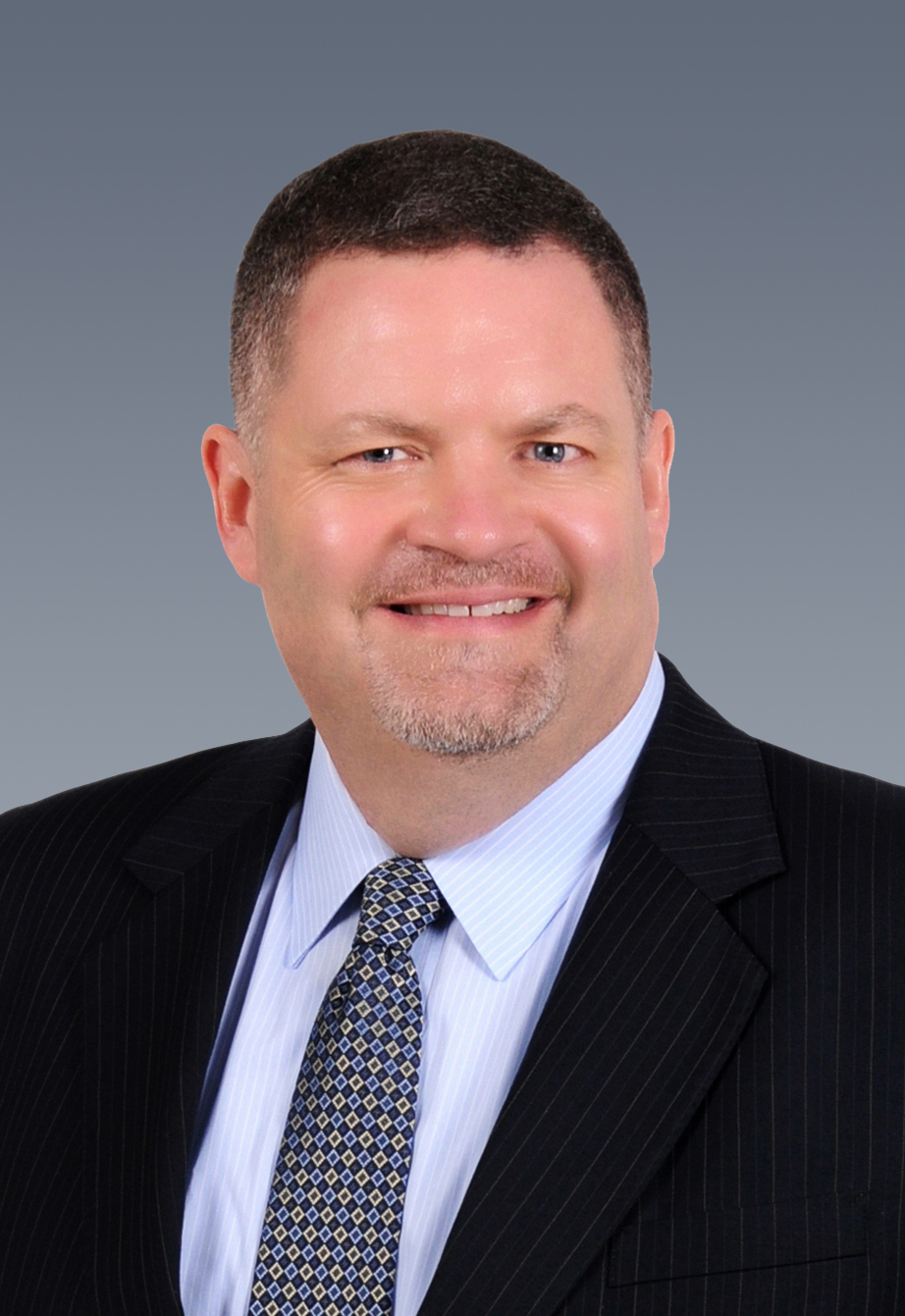
Darrell Seale spent two decades in aerospace and defense after serving in the U.S. Air Force. His executive career included overseas responsibilities at Lockheed Martin and an extended assignment in Abu Dhabi, United Arab Emirates. Now retired, he continues to live in the UAE.
Darrell Seale has also visited 142 countries. That range complements the sustained experience of working and living abroad.
Leading across borders requires people to clarify assumptions that may have gone unspoken in a familiar workplace. The task is to create enough shared understanding for colleagues to work toward the same objective, while allowing for differences in how they communicate.
Darrell Seale’s International Work in Aerospace and Defense
Darrell Seale advanced into senior leadership roles in aerospace and defense before retiring. His preparation included a Master of Science in Engineering Management from the University of Massachusetts Amherst and the Advanced Program Manager Course at the Defense Acquisition University, both completed in 1998.
Darrell Seale’s assignment in Abu Dhabi began in 2014, when Lockheed Martin asked him to relocate. The move established the UAE as an important setting in his professional life, and he remained there after retiring.
Managing across borders adds questions about working relationships to the demands of coordinating a program. Who needs to be consulted before a decision becomes final? How should a colleague raise an objection? An answer that feels obvious in one workplace may need to be discussed explicitly in another.
In her research on cross-cultural leadership, INSEAD professor Erin Meyer distinguishes attitudes toward authority from approaches to decision-making. Respect for hierarchy can coexist with extensive consultation, while an informal relationship with a manager can still leave that manager responsible for the final call.
On teams that span borders, people need to understand how choices are made as well as their own responsibilities. Making that process clear helps colleagues know when their input is needed and what happens once a decision has been reached. It also gives a team a shared reference point when expectations differ.
Understanding Recognition for Inclusive Leadership
Darrell Seale received a Diversity and Inclusion Quarterly Excellence Award in 2015 and a Diversity and Inclusion Annual Excellence Award in 2016 at Lockheed Martin. The recognition formed part of a professional record that also included awards for leadership and team performance.
In 2016, he received the Excellence in Leadership Award from the Lockheed Martin Management Club, along with Individual Excellence and Team Excellence Awards. An earlier Leadership Excellence Award came in 2010.
For multinational teams, inclusion has a concrete dimension: people need a workable way to take part. An invitation to share ideas may produce little discussion if team members hold different views about disagreeing with a manager. Establishing how feedback will be considered makes it easier for everyone to speak up.
Meyer’s work examines how cultural assumptions influence the way colleagues interpret feedback and disagreement. Her examples encourage managers to discuss these differences with their teams, giving people an opportunity to explain their expectations instead of leaving others to guess.
Darrell Seale’s recognition for inclusion sits beside honors for leadership and team results. Together, they document more than one aspect of his work. Inclusion remains a working concern for managers abroad because a team’s processes shape who speaks up, particularly when colleagues differ on how input should be offered.
Darrell Seale’s Travels Across 142 Countries
Darrell Seale’s travel record spans roughly three-quarters of the 193 member states recognized by the United Nations. Those countries cover regions with distinct languages, institutions, and social customs.
Travel and residence overseas teach different things. A visit provides a first look at how people greet one another, conduct business, and use public space. Living and working in another country adds the ongoing task of operating within those norms day after day.
The two forms of experience complement each other. Broad travel builds familiarity with how much customs can vary, while a long assignment in one place shows how those customs affect routine meetings and working relationships. Someone with both can compare what they see in a new setting against a wide range of earlier examples.
This range also bears on how a manager reads a team. A colleague’s reluctance to disagree in a meeting may reflect custom rather than agreement, and a direct challenge may signal engagement rather than disrespect. Recognizing those possibilities is easier for someone who has seen a wide variety of norms in practice.
Darrell Seale’s life abroad offers a sense of how various local cultures can influence work culture, while more than a decade in the UAE reflects how the right leadership can help people work toward shared goals even when their expectations differ. Together, they make his career a useful example of what cross-cultural leadership involves.
About Darrell Seale
Darrell Seale is a U.S. Air Force veteran and retired international aerospace and defense executive based in Abu Dhabi, UAE. He is an extensive traveler and was recognized for inclusive leadership at Lockheed Martin. Find out more about Darrell Seale and his professional and community work.