
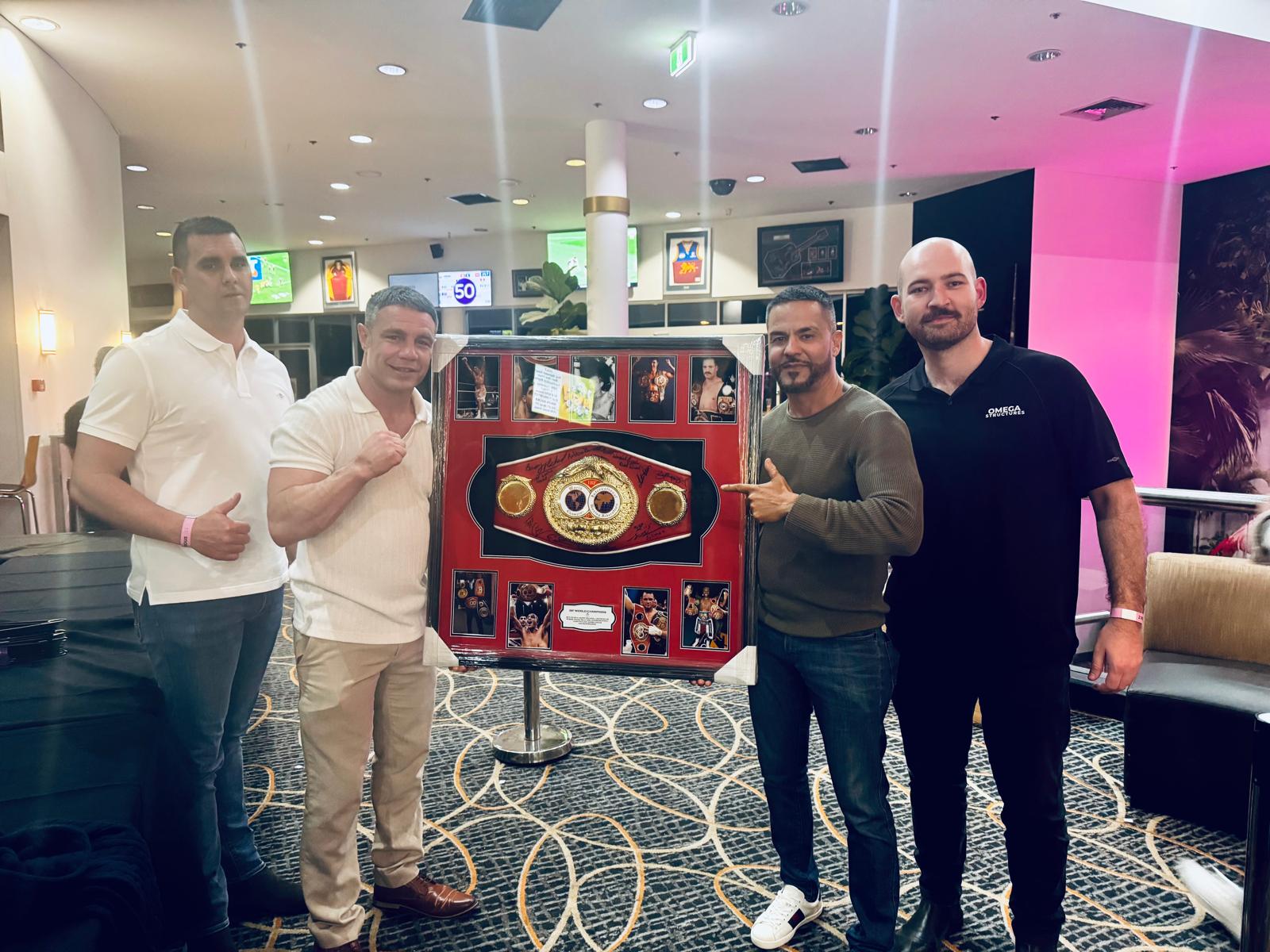
Respect on a formwork site is not the same as an absence of expectations. Workers can be held to demanding standards while receiving professional treatment, regardless of their position within a business. That distinction is central to Shupi Mukerji’s stated approach to leadership in Australia’s formwork and construction sector.
Over more than two decades, he has moved from carpentry into management and business ownership. His experience includes leading workforces, managing client relationships, and participating in large-scale project delivery. Across those responsibilities, he has emphasized consistency, attention to detail, and accountability.
Shupi Mukerji also regards respect as non-negotiable in dealings with site staff, business owners, and industry leaders. The range matters because professional courtesy is not limited to particular levels of seniority. People can have different responsibilities without those differences determining the dignity with which they are treated.
Within that outlook, respect and accountability are complementary rather than competing ideas. One concerns how people are treated; the other concerns the standards associated with their work. His perspective brings both into the discussion of formwork leadership.
Respect Across Site and Business Roles
Shupi Mukerji’s view of workplace respect encompasses people working in different parts of a construction business. His leadership outlook calls for the same level of professionalism toward employees on site as toward business owners and industry leaders. The principle concerns treatment of others, rather than suggesting that all positions carry the same duties.
The distinction matters in formwork teams, where work on site and business management involve different kinds of responsibility. An individual’s role may determine the decisions they make or the work assigned to them, but it need not determine whether their contribution is treated seriously. This is the practical meaning of Shupi Mukerji’s approach to workplace respect: professional standards apply to interactions across an organisation.
His career has placed him in more than one of those settings. He began as a carpenter, later held senior leadership positions, and was a part-owner of a formwork business. That breadth of experience provides context for an outlook that does not reserve respect for management alone.
Respect, in this understanding, is not a substitute for standards of performance. A team can be expected to meet its responsibilities while its members are addressed with dignity. His stated position combines those expectations, connecting professional conduct with the working relationships through which construction projects are delivered.
Shupi Mukerji on Accountability and Workmanship
Shupi Mukerji’s early training established a practical foundation for his later responsibilities. He completed a Certificate III in Carpentry through the CFMEU apprenticeship scheme and went on to establish a construction business. The path from trade work into ownership connects direct experience of workmanship with the wider responsibilities of managing construction activity.
Attention to detail is a recurring emphasis in his leadership outlook. He places importance on the small elements of work, along with discipline and consistency in meeting expectations. These concerns give Shupi Mukerji’s view of site accountability a concrete connection to the construction trade in which he began.
Accountability in this context involves taking responsibility for the standards expected of work, not simply describing who occupies a senior position. His professional experience has included workforce leadership, client management, and large-scale project delivery, each involving responsibilities distinct from individual trade tasks. The emphasis on detailed work remains relevant as the scope of those responsibilities changes.
He is also described as a demanding critic of his own performance, regularly examining opportunities for improvement. That willingness to assess his own work gives an additional dimension to his expectation that others take their responsibilities seriously. Accountability is presented as a standard of professional conduct that extends to leadership itself, rather than an expectation placed solely on employees.
Recognising Work While Maintaining Expectations
For Shupi Mukerji, maintaining standards sits alongside recognition of effort. His leadership approach places value on hard work being acknowledged and rewarded, while keeping expectations for performance consistent. These two priorities address different aspects of management: the work expected from teams and the attention given to the people doing it.
His senior leadership roles included work with Hutchinson Builders, Wideform, and Caelli Formwork. He also gained experience in workforce leadership and client management through part-ownership of a formwork business. Those roles help explain why his outlook encompasses both team responsibilities and the standards associated with business delivery.
The principles informing Shupi Mukerji’s leadership also include preparation, adaptability, and continuous improvement. He draws on principles from The Art of War in considering these themes. Their relevance here is not as a specific method of supervising a team, but as part of his broader emphasis on consistent expectations and thoughtful management.
Recognition need not imply that every contribution is identical, just as firm expectations need not displace professional respect. His outlook combines recognition of hard work with consistent expectations for performance. The central concern remains how a construction business can acknowledge people’s efforts while maintaining responsibility for the quality of work.
Safety Culture and Shared Responsibility
Shupi Mukerji’s emphasis on accountability also extends to safety within the formwork industry. He has advocated workforce development, safety culture, and responsibility on site. These concerns place the conduct of individuals and the expectations of businesses within the wider context of construction standards.
He was directly involved in consultation and drafting for Queensland’s Formwork Code of Practice 2016. That participation brought practical construction experience into discussions about formwork safety guidance. It is a separate contribution from his business leadership roles, but one connected to the importance he places on accountability in working environments.
For Shupi Mukerji, respect for workers and attention to safety are related professional priorities. Respect concerns how people are treated, while safety expectations concern the standards under which work is carried out. His perspective does not require these subjects to be identical in order for both to matter within formwork teams.
At Omega Structures, he has helped guide the company’s vision with an emphasis on quality-driven construction work. His approach also calls for systems and continuous improvement, rather than treating high standards as a one-time objective. Across his experience in trade work, management, and industry consultation, the connection is a consistent concern for the responsibilities people carry and the professionalism with which they work together.
About Shupi Mukerji
In Australia’s formwork industry, Shupi Mukerji, also known as Ayonava Mukerji, has worked in trade and management roles for more than two decades. His background spans a Certificate III in Carpentry completed through the CFMEU apprenticeship scheme, senior positions with Hutchinson Builders, Wideform, and Caelli Formwork, and part-ownership of a formwork business. He has also contributed to consultation and drafting for Queensland’s Formwork Code of Practice 2016. His professional outlook includes Shupi Mukerji’s focus on respect and accountability, alongside attention to workmanship, workforce development, and safety.