
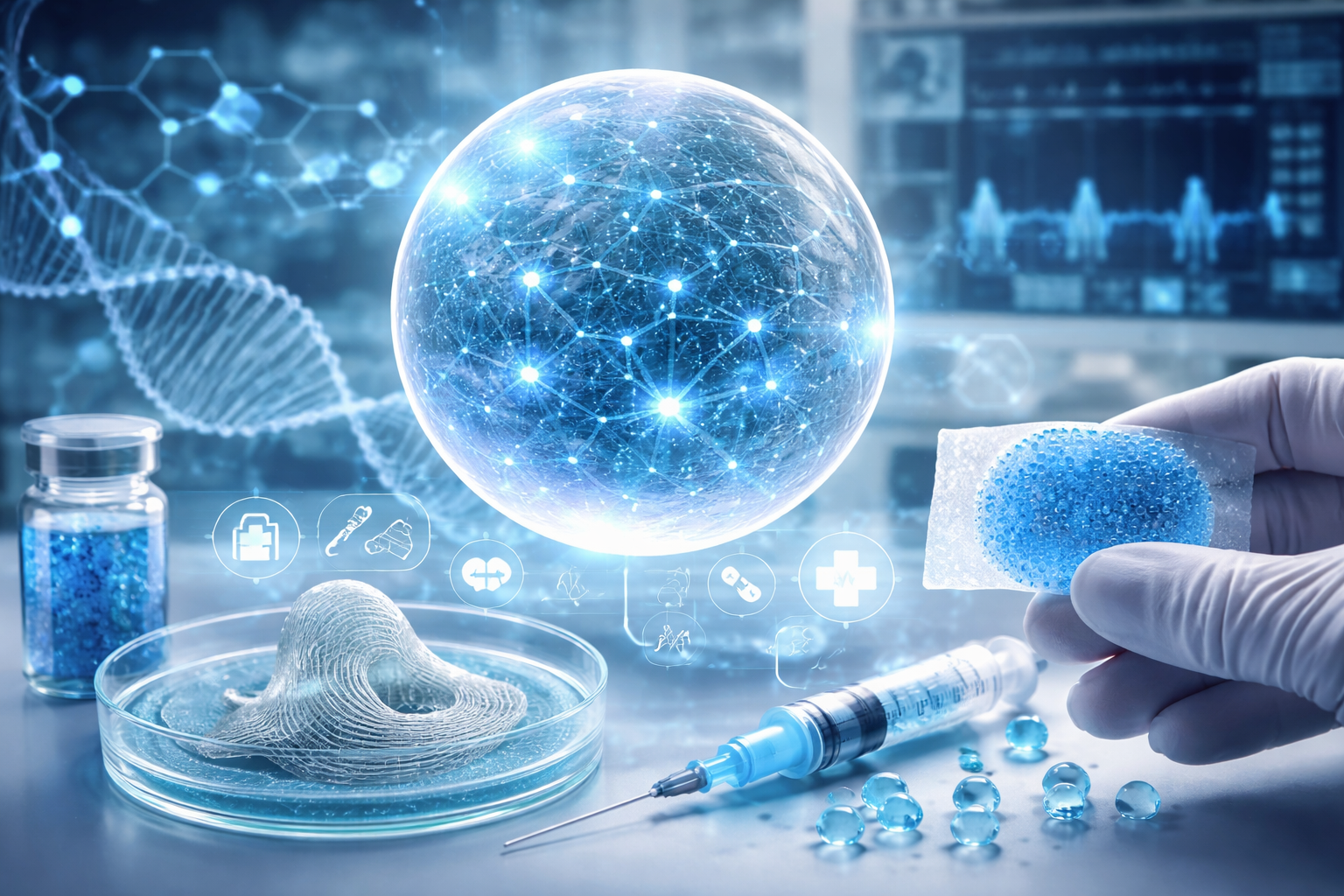
Understanding Hydrogel Technology
Hydrogels are three dimensional polymer networks that can absorb and retain significant amounts of water while maintaining their structure. Because of their soft, elastic properties, they closely resemble human tissue. This makes them extremely useful for medical and pharmaceutical applications.
Modern hydrogels can be engineered to respond to different stimuli such as temperature, pH levels, or electrical signals. This responsiveness allows researchers to design smart materials that release medication gradually, support tissue growth, or maintain ideal wound healing conditions.
The demand for advanced hydrogels continues to grow because they are biocompatible, flexible, and capable of delivering highly controlled medical treatments. Manufacturers working in R & D Medical Products are investing heavily in research to improve hydrogel performance, durability, and safety.
Expanding Applications in Healthcare
The future of hydrogel manufacturing is closely tied to the expanding range of healthcare applications that rely on these materials.
Advanced Wound Care
Hydrogel dressings have become a preferred option for treating burns, surgical wounds, and chronic ulcers. They maintain a moist healing environment, which promotes tissue regeneration and reduces infection risk.
New hydrogel formulations now include antimicrobial agents and bioactive compounds that actively support healing. Manufacturers are developing products that adapt to wound conditions and release medication when needed.
Drug Delivery Systems
Hydrogels can act as controlled drug delivery systems that release medication slowly over time. This reduces the need for repeated dosing and improves treatment consistency.
Future hydrogel implants may deliver chemotherapy drugs directly to tumors or release pain medication after surgery. These targeted systems improve effectiveness while minimizing side effects.
Regenerative Medicine
One of the most promising areas for hydrogel technology is regenerative medicine. Scientists are using hydrogels as scaffolds that support the growth of new cells and tissues.
Hydrogel scaffolds can help repair damaged cartilage, skin, or even organs by providing a structure where cells can grow naturally. As biotechnology advances, hydrogel manufacturers will play an essential role in producing materials that support tissue engineering and stem cell therapies.
Wearable Health Technology
Hydrogels are also becoming essential components in wearable medical devices. Their flexibility and skin-like properties make them ideal for biosensors that monitor heart rate, hydration levels, or glucose levels.
Future wearable devices may use hydrogel sensors that transmit real-time health data to doctors and healthcare systems. This allows early detection of medical conditions and improves patient monitoring.
Innovations Driving the Hydrogel Industry
The next generation of hydrogel products will be shaped by several emerging technologies and research developments.
Smart Hydrogels
Smart hydrogels can respond to environmental changes such as temperature, light, or chemical signals. These materials can release drugs only when needed or change shape to support healing processes.
For example, temperature sensitive hydrogels may deliver medication when inflammation increases in a specific area of the body. These advanced systems improve treatment precision and patient outcomes.
3D Printing and Hydrogel Manufacturing
3D printing technology is transforming how hydrogel based medical products are designed and produced. Bio printing techniques allow researchers to create customized hydrogel structures tailored to individual patients.
In the future, hospitals may use hydrogel bio printing to produce personalized implants, tissue scaffolds, or wound dressings. This level of customization represents a major breakthrough in medical treatment.
Nanotechnology Integration
Nanotechnology allows scientists to embed microscopic particles within hydrogels to improve performance. These nanoparticles can enhance antimicrobial properties, strengthen the hydrogel structure, or enable targeted drug delivery.
Nanotechnology combined with hydrogel materials opens new possibilities for precision medicine and targeted therapies.
The Importance of Research and Development
The hydrogel industry depends heavily on continuous research and innovation. Companies focused on R & D Medical Products are exploring new polymer materials, crosslinking techniques, and manufacturing processes.
Research teams collaborate with universities, hospitals, and biotech laboratories to develop hydrogels that meet strict medical standards. These partnerships accelerate innovation and bring advanced healthcare solutions to market faster.
In particular, ongoing research focuses on improving hydrogel stability, increasing shelf life, and ensuring compatibility with human tissues. As regulatory requirements grow more complex, manufacturers must also maintain high levels of quality control and compliance.
Sustainability in Hydrogel Manufacturing
Another important factor shaping the future of hydrogel production is sustainability. Traditional polymer manufacturing can create environmental challenges, so companies are exploring eco friendly alternatives.
Biodegradable hydrogels made from natural polymers such as alginate, chitosan, and collagen are gaining attention. These materials break down safely after use and reduce environmental impact.
Manufacturers are also implementing greener production methods that reduce energy consumption and waste. Sustainable hydrogel development supports both environmental goals and long term healthcare innovation.
The Role of Manufacturers in Modern Healthcare
As hydrogel applications expand, the responsibility of manufacturers becomes more significant. Companies must combine scientific expertise, advanced engineering, and strict quality assurance processes.
A forward thinking Hydrogel Manufacturer plays a crucial role in transforming laboratory research into real world medical solutions. By producing high quality materials that meet regulatory standards, manufacturers enable doctors and researchers to deliver innovative treatments safely.
Whether in surgical recovery or chronic pain management, Hydrogel Manufacturer brings medical-grade precision to modern healthcare delivery systems.
This commitment to innovation and reliability ensures that healthcare providers can depend on hydrogel technologies to improve patient care and treatment outcomes.
Future Market Growth and Global Demand
The global hydrogel market is expected to grow significantly in the coming years. Rising healthcare needs, aging populations, and increased investment in biotechnology all contribute to this growth.
Hospitals and medical device companies are seeking new materials that improve patient comfort and accelerate healing. Hydrogels meet these needs by combining flexibility, biocompatibility, and advanced functionality.
In addition, government funding for biomedical research continues to support the development of hydrogel based therapies. As healthcare systems move toward more personalized treatments, the demand for specialized hydrogel materials will continue rising.
Manufacturers who invest in research, innovation, and sustainable production will be best positioned to lead the next phase of industry growth.
Conclusion
Hydrogel technology represents a powerful intersection of material science, biotechnology, and healthcare innovation. From advanced wound care to regenerative medicine and wearable health devices, hydrogels are transforming how medical treatments are delivered.
The future of hydrogel manufacturing will be defined by smart materials, personalized medicine, and continuous scientific advancement. Companies dedicated to R & D Medical Products will continue developing new hydrogel solutions that improve patient care and expand treatment possibilities.
As the healthcare landscape evolves, the role of a Hydrogel Manufacturer will become even more vital in shaping the next generation of medical technologies.
Frequently Asked Questions
What is a hydrogel used for in healthcare?
Hydrogels are commonly used in wound dressings, drug delivery systems, contact lenses, tissue engineering, and surgical recovery products. Their water retaining structure helps support healing and improve patient comfort.
Why are hydrogels important in medical research?
Hydrogels mimic natural human tissue, making them ideal for biomedical applications. Researchers use them for regenerative medicine, stem cell growth, and controlled drug delivery systems.
How does a Hydrogel Manufacturer contribute to healthcare innovation?
A Hydrogel Manufacturer develops and produces specialized materials that enable advanced medical treatments. These manufacturers work closely with researchers and healthcare providers to create safe and effective hydrogel products.
Are hydrogels safe for medical use?
Most medical hydrogels are biocompatible and designed to interact safely with human tissues. They undergo rigorous testing and regulatory approval before being used in healthcare products.
What industries benefit from hydrogel technology?
Hydrogels are used in healthcare, pharmaceuticals, cosmetics, agriculture, and wearable technology. However, the medical field remains the largest and fastest growing market for hydrogel materials.